Can Professional Gutter Cleaning Prevent Ice Dams & Water Damage?
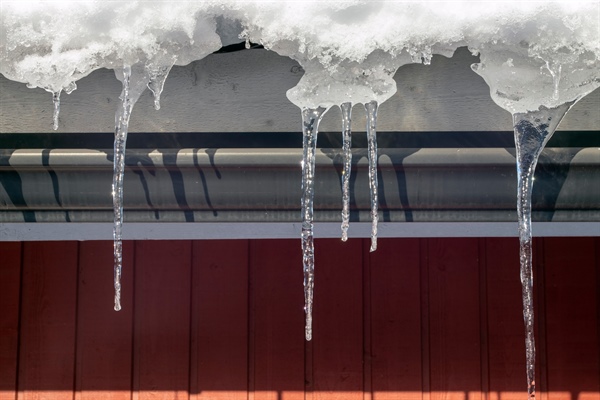
When winter hits Minnesota, the weight of ice, snow, and freezing temperatures can do more than create seasonal headaches — they can seriously damage homes. One of the most common and costly issues is the formation of ice dams.
These frozen ridges form at the edge of a roof and block melting snow from draining properly. Left unchecked, the backed-up water can seep under shingles and into your attic, causing water damage, mold growth, and structural deterioration.
That’s why one preventive step— professional gutter cleaning—isn’t just a chore, it’s a safeguard. Clean gutters ensure snowmelt has a clear path to flow away from your home before freezing turns that runoff into a hazard.
In this article, we’ll walk through the critical angles to help you stop ice dams before they start. With insights grounded in facts and practical strategies, this guide provides an expert-level look at how winter roof problems develop and how to get ahead of them.
Understanding Ice Dam Formation: How & Where They Begin
Ice dams typically form along the eaves of a roof — right at the lower edges where snowmelt refreezes before draining off the structure. This process starts when snow accumulates on a warm section of the roof, usually above a poorly insulated attic or directly above a heated living space.
Heat rises from inside the home, warming the roof deck and melting the bottom layer of snow. The resulting water flows down toward the colder eaves, where it refreezes and begins to accumulate as ice. Over time, this ridge of ice traps additional meltwater behind it, creating a dam that blocks proper drainage.
The trapped water backs up under the shingles, penetrating the roof underlayment and seeping into the attic or walls. This moisture intrusion can damage insulation, stain ceilings, and cause structural wood rot.
In extreme cases, it leads to mold growth and energy loss, as soaked insulation becomes less effective. Ice dams often start forming in areas with consistent freeze-thaw cycles, especially where roof overhangs are exposed to cold air and lack the warming effects of the building envelope.
Eaves, roof valleys, and low-slope sections are common starting points for ice dams, especially if ventilation is poor. These zones are colder and tend to accumulate more snow due to drifting. Spotting early signs — such as icicles forming at the edge of your roof or water stains in the attic—can help homeowners act before the problem escalates.
Can Clogged Gutters Cause Meltwater to Refreeze & Contribute to Ice Dams?
Clogged gutters are a major contributor to ice dam formation because they block the natural flow of meltwater off the roof. When gutters are clogged with leaves, debris, or sediment, they can’t efficiently channel snowmelt.
Instead, the water becomes trapped, often pooling near the roof edge where temperatures are lowest. This standing water then freezes overnight or during cold spells, starting the process of damming and creating thick, heavy ice buildups along the gutter line.
Over time, repeated cycles of thawing and refreezing add layers to these frozen blockages, forcing water to back up beneath shingles and into the building envelope. The ice itself can damage gutters, as the added weight strains brackets and joints, increasing the risk of sagging or detachment.
More importantly, the blocked drainage system means that any roof runoff, whether from snowmelt or winter rain, has nowhere to go but down into vulnerable seams or siding.
Seasonal cleaning services for gutters reduce the risk of these cold-weather complications. By keeping downspouts and channels clear, homeowners give meltwater a direct path away from the roof, reducing the chance of damming and minimizing exposure to freeze damage.
Effectiveness of Heat Cables in Reducing Ice Damming
Heat cables, also known as heat tape or roof de-icing cables, are an active method for reducing the formation of ice dams. These electric cables are installed along roof edges, gutters, and valleys to keep critical drainage paths warm enough to prevent ice from forming. When plugged in during winter, they provide a controlled source of heat that keeps snowmelt flowing rather than freezing at the eaves.
While not a replacement for proper insulation and ventilation, heat cables can be a practical supplementary solution, especially in areas of the roof that are more prone to damming due to design limitations or microclimate exposure.
Homes with intersecting rooflines, low slopes, or shaded eaves may benefit from this technology to maintain a continuous meltwater path during extreme cold.
However, installing heat cables requires careful planning. They should be positioned strategically and connected to grounded outlets with thermostatic control to avoid overheating or electrical issues.
Regular inspection is also needed to ensure they’re functioning safely and efficiently. Used correctly, heat cables can help mitigate the risk of water infiltration during freeze-thaw conditions.
Is Your Attic Insulation Contributing to the Problem?
Attic insulation plays a crucial role in regulating roof temperature and reducing the likelihood of ice dams. Poorly insulated attics allow heat to escape into the roof deck, warming it unevenly and triggering snowmelt even in freezing conditions.
This artificial warming causes water to flow prematurely down the roof surface, where it freezes again upon reaching cooler edges. The cycle leads directly to ice buildup and water backup.
Proper insulation helps maintain a cold roof by keeping warm indoor air from rising and warming the roof from below. Adding insulation — particularly in key heat-loss areas such as attic floors and around recessed lighting or chimneys — can significantly reduce the temperature differential that contributes to dam formation.
Alongside insulation, air sealing is equally important to stop warm air leaks through ceiling gaps or unsealed vents.
Regular attic inspections are recommended, especially in older homes or those with inconsistent heating performance. If insulation has settled, been compressed by moisture, or never met modern R-value standards, it may be time to upgrade. Balancing insulation with effective ventilation creates a controlled environment that discourages uneven melting and prevents ice dams before they start.
Roof Pitch & Its Impact on Ice Dam Risk
The pitch, or slope, of your roof has a direct influence on how likely ice dams are to form. Roofs with low pitch or flatter slopes retain snow longer, which increases the potential for melting and refreezing near the eaves. Snow tends to linger on these surfaces, and meltwater moves more slowly, giving it ample time to refreeze if temperatures drop again before drainage.
Steeper roofs allow snow to slide off more easily, especially if the roofing material has a smooth surface or if the attic beneath stays cold enough to prevent melting.
However, even steep roofs can experience ice dams if gutters are clogged or if heat loss from the attic warms the decking in patches. It's not just the angle but the combination of slope, insulation, and gutter condition that determines vulnerability.
Homeowners should take the unique pitch of their roof into account when assessing ice dam risks. For example, a shallow-pitch roof over a porch or addition may need more frequent snow removal or supplemental heat cable installation, while main roofs with high pitch may benefit more from airflow management and proper insulation.
Protect Your Home This Winter with Subzero Exterior Services
Ice dams and winter water damage aren’t just seasonal annoyances — they’re signs of deeper issues that require expert attention.
Subzero Exterior Services has the experience and tools to help homeowners tackle some of the major culprits of ice dam formation. Call on us for routine gutter cleaning or snow removal. Our team of experts understands the complexity of winter maintenance in Minnesota. We serve homeowners with reliable, detail-oriented services that are designed to keep your exterior systems functioning under the harshest conditions.
If you’re ready to safeguard your home this winter, reach out to Subzero Exterior Services today. We can be reached at 612-260-5485 or get your instant quote now to take the first step toward winter-proofing your property with confidence.