The Dark Side: Siding With Mold, Mildew, & Algae Can Cause Structural Damage
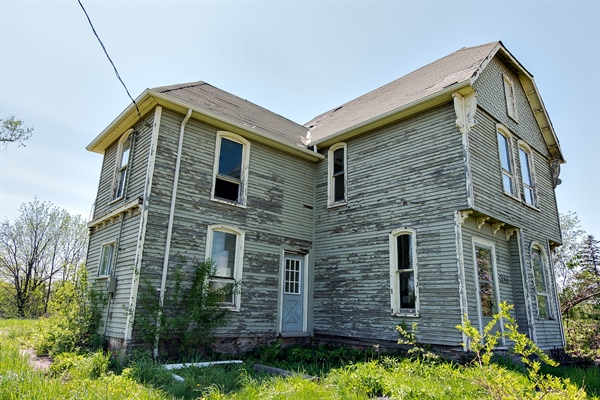
When siding starts showing green, black, or brown streaks, it's more than just a cosmetic issue—it could be the early sign of deeper trouble. Mold, mildew, and algae thrive in damp, shaded environments, and when left unchecked, these organic invaders can cause more than just stains on your exterior.
They may slowly penetrate your siding, compromise your home’s exterior envelope, and create the perfect conditions for structural damage.
Moisture is the common thread among all these problems, often hiding in plain sight. What starts as a minor aesthetic annoyance could ultimately jeopardize your building’s integrity.
For homes already showing signs of organic buildup, routine house washing is one of the most effective ways to stop growth in its tracks and preserve siding quality over time.
Subzero Exterior Services delivers expert care that’s both thorough and safe for all exterior materials.
Recognizing the Signs of Algae Penetration in Siding Layers
Algae buildup on siding typically begins as surface discoloration—usually in the form of green, brown, or black patches—but can progress to more advanced stages that involve structural concerns.
When algae penetrate beyond the surface layer, it often signals prolonged exposure to moisture, especially in shaded or poorly ventilated areas. Signs that algae have breached the outer layer include warping, soft spots behind the siding, bubbling paint, and lingering odors from bacterial activity.
If the surface feels spongy or damp even after days of dry weather, it likely indicates deeper moisture infiltration. Algae that’s deeply rooted may also cause staining that doesn’t respond to surface cleaning, pointing to internal growth or water retention beneath the panels.
Penetration is most common in siding materials, such as wood and fiber cement, which are inherently porous. Once algae breaks through painted or sealed surfaces, it finds ideal conditions for anchoring itself and expanding its colonies.
Homeowners often mistake this for standard mildew buildup, but the persistence and recurrence of discoloration after cleaning can be a red flag. Over time, the internal expansion of algae can break down siding integrity and open pathways for water intrusion, leading to rot, mold, and eventual damage to internal framing or insulation materials.
Preventing penetration starts with routine siding inspections and timely house washing. When cleaning fails to remove discoloration or when physical changes to siding appear, it’s essential to investigate beneath the surface and address potential breaches before structural issues evolve.
How Exterior Mold Can Migrate Indoors
Mold growth on the exterior of a home can create ideal conditions for internal contamination if left unmanaged. Siding is a protective layer, but once compromised—either through cracks, warping, or persistent moisture—mold spores can migrate inward via air currents, wall voids, or insulation systems.
Common pathways include unsealed joints, improperly installed flashing, or siding that has deteriorated due to exposure to water. Once inside, mold finds additional food sources in drywall, wood framing, and organic dust materials, enabling it to spread rapidly.
Homeowners may not realize that the siding plays a key role in maintaining the building’s air barrier. When this barrier is breached, it allows exterior mold to influence interior air quality.
This is especially true in humid climates or homes without adequate vapor barriers. If mold appears on interior walls that correspond with exterior mold buildup, it’s likely that the two are connected.
Water stains, musty odors, and visible mold patches inside walls or around windows are all indicators that the siding has failed to contain outside contamination.
To reduce this risk, siding must be maintained and cleaned regularly, with attention paid to any damage or deterioration. Professional cleaning services help manage surface-level growth and identify deeper issues before they breach the home’s envelope.
The Role of Humidity in Fueling Mold, Mildew, & Algae Growth
Humidity is a significant contributor to the formation of mold, mildew, and algae on siding and other exterior surfaces. These organisms require moisture to grow, and when relative humidity consistently exceeds 60%, conditions become favorable for spore germination and biofilm development.
During warmer months, condensation often forms on shaded sides of buildings, especially near vegetation or where airflow is restricted, creating perfect environments for fungi and algae to colonize.
Moisture in the air attaches to the siding, and when the surface temperature drops below the dew point, it condenses, feeding microbial life.
Extended high humidity also extends drying times after rain, allowing organic materials to remain wet long enough for mold and algae to take root. Buildings located near water bodies or in forested areas are particularly vulnerable, as natural humidity levels remain elevated.
Additionally, weather-resistant siding materials can still become compromised if ventilation gaps, clogged gutters, or poor drainage systems cause water to linger in certain areas. Even small amounts of trapped moisture can lead to microbial colonization when the surrounding environment consistently remains above threshold humidity levels.
Humidity management is a key part of mold prevention. Homeowners should monitor indoor and outdoor humidity, maintain adequate airflow around the building, and invest in regular maintenance practices to reduce buildup. Timely removal of mold-prone residues through professional cleaning ensures the siding can dry properly and resist prolonged microbial exposure.
Why Older Homes Face Greater Moisture-Related Risks
Older homes are more likely to experience structural issues caused by mold, mildew, and algae due to the use of outdated construction materials and ineffective weatherproofing techniques.
Traditional siding, such as wood clapboard or early-generation fiber cement, lacks the advanced coatings and barrier technology of modern materials. These surfaces tend to absorb more moisture and are more prone to cracking or warping over time.
In many cases, insulation and vapor barriers behind the siding may also be missing or deteriorated, allowing moisture to travel into wall cavities unchecked.
These vulnerabilities are compounded by age-related wear and deferred maintenance. Siding joints can loosen, caulking may degrade, and flashing might be improperly aligned—all of which create ingress points for water.
When moisture penetrates these compromised areas, it not only fuels exterior mold but also lays the groundwork for rot, pest infiltration, and interior mold development.
Areas with wood framing or sheathing are especially at risk, as organic materials provide ideal food sources for fungal growth once dampened.
Preserving older homes requires more rigorous monitoring and proactive maintenance. Unlike newer constructions that often feature mold-resistant barriers, older structures rely heavily on routine visual inspections and responsive cleaning measures to limit exposure. Without these interventions, what begins as superficial staining can quickly turn into structural damage.
Effective Maintenance Strategies to Prevent Organic Growth
Preventing mold, mildew, and algae buildup starts with consistent siding maintenance tailored to climate and material type.
Schedule Exterior Cleaning
One of the most effective measures is scheduled exterior cleaning to remove organic debris and prevent spore colonization.
Accumulations of dirt, pollen, and plant matter serve as both food and anchoring surfaces for algae and fungi. If left unaddressed, these conditions will eventually facilitate microbial expansion.
Homeowners should focus on high-risk zones, such as shaded walls, north-facing surfaces, and areas near vegetation or moisture-producing HVAC units.
Additional Home Tasks
Other key maintenance tasks include trimming back overgrown foliage to improve sunlight and airflow, inspecting for cracks or damage after major weather events, and ensuring gutters and downspouts are clear.
Moisture should be directed away from the home’s foundation and siding at all times. Any areas that remain damp or shaded may require additional cleaning cycles throughout the year.
Pressure washing should be done with care to avoid forcing water behind the siding—low-pressure soft washing techniques are recommended for this purpose.
For expert results, Subzero Exterior Services offers scheduled care options that fit seasonally specific needs.
Protect Your Home with Expert Exterior Care
Preventing structural damage caused by mold, mildew, and algae starts with proper maintenance and professional care. Subzero Exterior Services offers expert solutions to keep your home’s exterior clean, healthy, and protected from long-term moisture exposure.
From identifying signs of algae penetration to preventing organic growth with strategic upkeep, our team is equipped to address each concern thoroughly and efficiently.
Located in Prior Lake, MN, Subzero Exterior Services provides comprehensive cleaning services tailored to your home’s specific needs, climate, and siding material.
Ready to take the next step toward protecting your home? Contact Subzero Exterior Services at 612.260.5485. For fast scheduling and exclusive service options, request your instant quote today.