What Challenges Come With Cleaning Multi-Story Commercial Buildings?
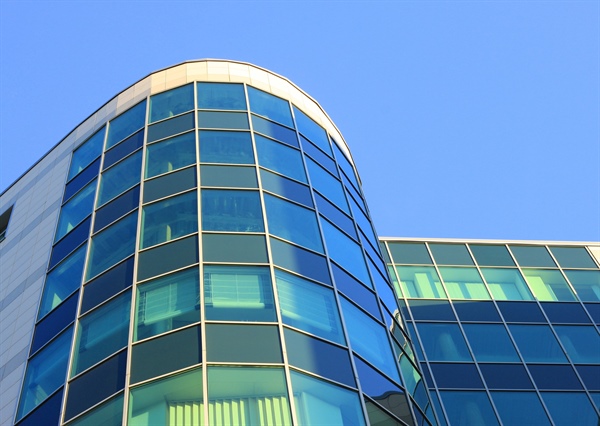
Cleaning multi-story commercial buildings presents a unique set of operational, safety, and logistical challenges that do not exist at ground level. As buildings grow taller, access becomes more complex, safety risks increase, and coordination with property managers and occupants becomes more demanding. Factors such as fall protection requirements, equipment limitations, municipal regulations, and water delivery systems all influence how exterior cleaning work is planned and executed. These constraints require specialized training, documented procedures, and careful scheduling to maintain both safety and building operations.
For companies like Subzero Exterior Services, multi-story cleaning projects involve navigating high-access safety protocols, selecting appropriate access systems, complying with local permitting rules, managing water pressure and purification over vertical distances, and determining whether work should occur during active business hours or after occupancy. Each of these considerations affects efficiency, compliance, and overall project outcomes. Many commercial property managers rely on experienced providers offering commercial services to address these challenges with proven methods and documented controls.
Safety Protocols Required for High-Access Commercial Cleaning
High-access exterior cleaning introduces elevated fall risks, equipment hazards, and environmental exposure that require formal safety controls. Cleaning crews working on multi-story buildings typically follow OSHA-compliant fall protection programs that include personal protective equipment, anchor point verification, controlled descent systems, and site-specific hazard assessments. Written job hazard analyses are often completed before work begins to document risks related to height, weather conditions, pedestrian traffic, and building features.
Training is a critical component of safety compliance. Technicians assigned to high-rise or mid-rise structures are generally certified in lift operation, rope descent systems, or scaffold assembly, depending on the access method used. Regular equipment inspections are conducted to verify the integrity of harnesses, lanyards, anchor devices, and mechanical components. These inspections are logged to meet regulatory documentation standards and reduce liability exposure for both the service provider and property owner.
Controlled work zones are also established at ground level to protect occupants and pedestrians from falling debris or water runoff. Barricades, signage, and spotters are used to maintain safe clearance areas during operations. Companies offering large-scale commercial services rely on these layered safety measures to meet regulatory requirements while maintaining consistent production across complex building envelopes.
Use of Lifts, Scaffolding, and Rope Access in Multi-Story Cleaning
Access method selection depends on building height, façade design, surrounding terrain, and municipal restrictions. Articulating and telescoping lifts are commonly used for low- to mid-rise structures where ground access is available, and surface conditions support equipment weight. These machines allow technicians to reach multiple elevations efficiently while maintaining stable platforms for tools and cleaning systems.
Scaffolding systems are often deployed for extended-duration projects or buildings with repetitive architectural features. Scaffolds provide a continuous working surface but require more setup time, permitting coordination and space allocation. In urban or constrained environments, scaffold use may be limited due to sidewalk encroachment rules or emergency access requirements.
Rope access is frequently used for high-rise buildings where lifts or scaffolding are impractical. This method allows technicians to descend from roof-level anchor points using controlled rope systems. Rope access requires advanced training and certification, as well as redundant safety lines and rescue planning. Exterior maintenance teams performing exterior services often combine these access methods to adapt to varying site conditions across different properties.
Permitting Requirements for Cleaning Tall Commercial Buildings
Many municipalities require permits for exterior work performed above a defined height threshold or when equipment occupies public rights-of-way. Permit requirements may apply to lift placement on sidewalks, scaffold installation, temporary lane closures, or the use of roof-based descent systems. These permits help local authorities manage public safety, traffic flow, and emergency access.
Permit applications often require documentation such as site plans, insurance certificates, equipment specifications, and projected work schedules. In some jurisdictions, additional approvals are required from building departments or fire marshals when work impacts building egress or fire suppression systems. Failure to obtain proper permits can result in work stoppages, fines, or liability exposure.
Experienced contractors coordinate permitting well in advance of scheduled service dates to avoid delays. Understanding local height regulations and public access rules is an operational necessity for companies performing routine multi-story exterior cleaning across different cities and property types.
Water Supply and Pressure Management for Tall Structures
Delivering water to upper elevations presents both pressure and quality challenges. Standard municipal water pressure is often insufficient to reach higher floors without mechanical assistance. To address this, cleaning providers use booster pumps, truck-mounted systems, or rooftop water-fed poles that rely on gravity-assisted flow.
Water purity is also a factor in exterior glass and façade cleaning. Deionized or reverse osmosis systems are commonly used to remove dissolved solids that can cause spotting or residue. These systems must be calibrated to maintain consistent output pressure while preserving filtration efficiency across long hose runs and vertical distances.
Water management planning includes runoff control to prevent overspray, infiltration into building systems, or damage to landscaping. Drainage pathways are evaluated prior to service to reduce slip hazards and protect building materials, particularly on structures with sensitive façades or public entryways.
Scheduling Multi-Story Cleaning During or After Business Hours
Scheduling decisions are influenced by occupant density, noise tolerance, access limitations, and safety considerations. Some exterior cleaning tasks can be performed during standard business hours when they do not interfere with entryways, parking areas, or tenant operations. In these cases, work zones are coordinated to minimize disruption while maintaining visibility and safety.
For buildings with heavy foot traffic or limited access points, after-hours or early-morning scheduling is often preferred. This approach reduces pedestrian exposure to equipment and allows crews to operate more efficiently without frequent stoppages. Night or off-hour work may also be required in dense urban areas where municipal restrictions limit daytime equipment use.
Service providers coordinate schedules with property managers to align with building operations and safety requirements. Companies such as Subzero Exterior Services factor these constraints into project planning to maintain compliance while delivering consistent exterior maintenance results.
Professional Support for Multi-Story Commercial Exterior Cleaning
Managing the challenges associated with cleaning multi-story commercial buildings requires technical expertise, regulatory awareness, and disciplined execution. Subzero Exterior Services provides exterior maintenance solutions for complex structures by applying documented safety programs, approved access methods, and coordinated scheduling practices. Their experience with high-access work supports compliance with local permitting rules and operational constraints.
Based in Prior Lake, MN, Subzero Exterior Services serves commercial properties throughout the region. Their teams are trained to manage water delivery systems, façade access strategies, and safety controls required for tall structures while maintaining consistent service standards.
To discuss exterior cleaning requirements for multi-story commercial buildings, contact Subzero Exterior Services at 612-260-5485 or visit their contact us page to request additional information or schedule a consultation.