What Types of Siding Benefit Most From Professional House Washing
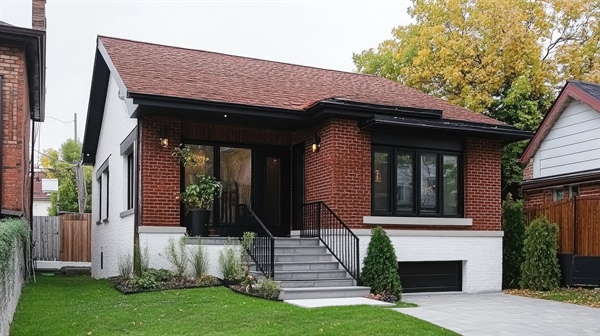
Exterior siding materials are designed to protect a home from weather exposure, moisture intrusion, and biological growth, but each material reacts differently to environmental buildup. Professional house washing plays a measurable role in preserving siding integrity by removing mold, algae, atmospheric pollution, and organic residue before surface damage occurs. Understanding which siding types benefit most from professional washing helps homeowners maintain appearance while avoiding premature wear caused by improper cleaning techniques. Subzero Exterior Services routinely encounters siding surfaces that show early signs of degradation simply due to delayed or incorrect exterior cleaning methods.
Different siding materials demand different approaches, from aluminum and vinyl panels to fiber cement, brick, composite systems, and painted wood. The following sections examine how various siding types respond to professional exterior cleaning, including material sensitivity, contamination risks, and structural concerns. These topics provide clarity on how house washing interacts with each surface type, why treatment methods matter, and how material composition influences long-term performance when properly maintained.
Is Aluminum Siding More Delicate Than Vinyl?
Aluminum siding is structurally thinner than vinyl and lacks the same flexibility under pressure, making it more susceptible to denting and surface deformation during exterior cleaning. While aluminum does not become brittle with age the way vinyl can, its painted or baked-on enamel finish can oxidize over time. This oxidation traps airborne contaminants, requiring controlled washing techniques to remove chalking without stripping protective coatings.
Vinyl siding, by contrast, is more impact-resistant but prone to warping under high heat and pressure. Vinyl panels often hide organic growth behind lap seams, which can spread unnoticed if not properly rinsed. Aluminum siding typically shows contamination earlier due to visible oxidation patterns, making professional cleaning intervals more predictable.
Professional house washing methods rely on low-pressure rinsing paired with surface-appropriate detergents to safely remove buildup from aluminum without damaging its finish. This controlled process reduces oxidation accumulation while protecting panel integrity.
Does Fiber Cement Siding Require Special Treatment?
Fiber cement siding is engineered for durability but remains highly absorbent compared to vinyl or metal surfaces. Its porous structure allows moisture, mildew spores, and pollutants to penetrate surface layers if not removed regularly. Improper pressure washing can force water into expansion joints and behind flashing, leading to hidden moisture retention.
Manufacturers of fiber cement siding often specify low-pressure cleaning combined with neutral-pH detergents to preserve factory finishes and paint adhesion. Aggressive washing can erode the cementitious surface, shortening repainting cycles and increasing surface roughness.
Professional exterior services that account for fiber cement’s density and moisture absorption characteristics reduce biological growth while maintaining coating integrity. These practices align with broader exterior services designed to clean without compromising structural performance.
How Do You Clean Brick vs. Composite Siding?
Brick siding is inherently durable but highly porous, allowing mold, efflorescence, and atmospheric pollutants to embed within mortar joints. Cleaning brick requires careful water control to prevent saturation that can weaken mortar and lead to freeze-thaw damage in colder climates.
Composite siding, which blends engineered wood fibers with resins, reacts differently to moisture exposure. Excessive pressure can delaminate surface layers, while harsh chemicals may degrade binding agents. Composite materials often accumulate algae more quickly due to organic content within the panels.
Professional cleaning approaches differ significantly between these materials, emphasizing moisture management for brick and surface preservation for composite siding. Each requires tailored treatment to prevent long-term structural or cosmetic deterioration.
Should Painted Wood Siding Be Soft Washed?
Painted wood siding remains one of the most sensitive exterior materials due to its susceptibility to moisture absorption, peeling, and microbial growth. High-pressure washing can lift paint layers, expose raw wood, and accelerate decay processes.
Soft washing techniques allow controlled chemical dwell time to break down mold and algae without mechanical abrasion. This approach minimizes water intrusion into wood grain and reduces the risk of paint failure following cleaning.
Professionally managed soft washing protects painted wood surfaces while extending repainting cycles by preserving adhesion and reducing surface erosion.
What Are the Challenges of Washing Mixed-Material Exteriors?
Homes with mixed-material exteriors present complex cleaning challenges due to varying tolerance levels for pressure, moisture, and chemical exposure. Brick, vinyl, wood, metal, and composite elements often coexist on a single façade, requiring segmented cleaning strategies.
Applying a uniform method across all materials increases the risk of surface damage, staining, or water infiltration. Transitions between materials are especially vulnerable, as differential expansion rates and sealing methods can be compromised by improper washing.
Subzero Exterior Services addresses these challenges by evaluating material composition prior to cleaning and applying material-specific treatments. More information about service coordination and material-specific methods is available through Subzero Exterior Services.
Professional Solutions for Every Siding Type
Maintaining siding across multiple materials requires experience, precision, and an understanding of how contaminants interact with each surface. Subzero Exterior Services provides professional exterior cleaning solutions designed to address aluminum, vinyl, fiber cement, brick, composite, and painted wood siding without compromising durability or appearance.
Subzero Exterior Services applies proven techniques that account for material sensitivity, environmental exposure, and long-term surface protection. Homeowners can speak directly with a specialist by calling 612-260-5485 or by visiting the contact us page to request detailed service information.