Do Professional Window Washers Clean Screens, Tracks, and Sills?
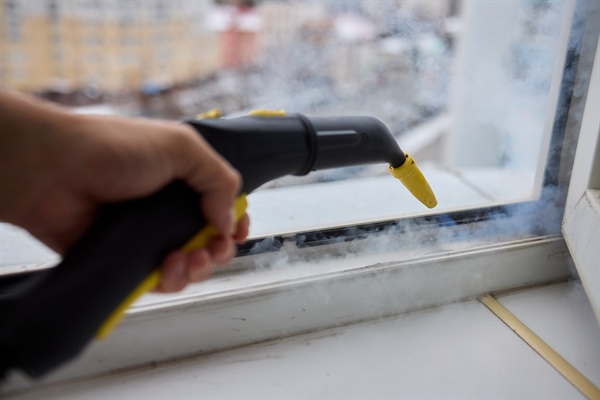
Homeowners often assume professional window cleaning focuses only on the glass, but the reality is more detailed. Screens, tracks, and sills collect dust, pollen, moisture, and organic debris that can interfere with window performance and indoor air quality. Understanding what professional window washers typically include helps set realistic expectations and explains why these components matter just as much as clear panes.
This article breaks down how screens are cleaned, whether they are removed for deeper service, how tracks and sills are handled, and what happens when these areas are ignored. Drawing from industry standards and practices used by companies like Subzero Exterior Services, the sections below address common questions homeowners ask when evaluating professional window washers. Each topic builds a clearer picture of what comprehensive window cleaning actually involves.
What Is the Professional Process for Cleaning Window Screens?
Professional screen cleaning follows a structured process designed to remove fine particulates without damaging the mesh or frame. Screens accumulate airborne contaminants such as pollen, soot, dust, and insect residue, which standard rinsing cannot fully eliminate. Professionals typically begin by dry brushing or vacuuming loose debris to prevent embedding particles deeper into the screen material.
After surface debris removal, screens are washed using low-pressure water combined with mild, non-corrosive detergents. This step breaks down organic buildup while preserving screen coatings and aluminum or vinyl frames. Industry best practices avoid high pressure because it can stretch mesh, loosen spline seals, or cause permanent deformation.
Once cleaned, screens are thoroughly rinsed and air-dried before reinstallation. Many professional window washers inspect frames and edges during this stage to identify warping or seal damage that could affect fit and airflow. This process improves visibility, airflow, and reduces allergens entering the home.
Do Professional Window Cleaners Remove Screens for a Deep Clean?
Yes, most professional window cleaning services remove screens when performing a full-service window wash. Removal allows access to both sides of the screen and prevents dirt from being pushed back into the window tracks during cleaning. This approach is considered standard when the goal is restorative or maintenance-level cleaning rather than cosmetic touch-ups.
Screen removal also allows technicians to clean the glass edges and frames more effectively. Dirt trapped between the screen and glass can scratch surfaces over time if left untreated. Removing the screen eliminates this risk and supports a longer window lifespan.
Many exterior services include screen removal as part of a bundled approach that addresses the entire window system. When screens are cleaned separately and reinstalled correctly, they sit flush, function as intended, and no longer obstruct drainage channels or airflow.
Are There Added Charges for Cleaning Window Tracks and Sills?
Charges for track and sill cleaning vary by service scope and buildup level. Light debris removal is often included in standard window cleaning, while heavy sediment, hardened grime, or biological growth may require additional labor. This distinction reflects the time and tools required to restore these areas properly.
Tracks collect dirt, sand, and moisture that settle into narrow channels. Removing this material safely often involves detailing brushes, wet vacuums, and controlled rinsing. Sills may also require agitation to break down residue that accumulates from condensation and outdoor exposure.
Professional providers outline these distinctions upfront to avoid confusion. Transparent pricing reflects the difference between maintenance cleaning and corrective cleaning, both of which protect window operation and surrounding materials.
How Does Dirt Buildup in Tracks Affect Window Function?
Track buildup directly interferes with window operation by obstructing rollers, seals, and drainage paths. Dirt and grit increase friction, making windows harder to open and close. Over time, this stress accelerates wear on mechanical components.
Blocked tracks also prevent proper water drainage. When moisture cannot exit through designed channels, it pools inside the frame, increasing the risk of wood rot, corrosion, and seal failure. This condition is a known contributor to premature window replacement.
Regular professional cleaning removes these obstructions and restores smooth operation. Clean tracks support energy efficiency by allowing seals to seat correctly, reducing drafts and moisture intrusion.
Can Dirty Window Sills Contribute to Mold Growth or Pest Issues?
Unclean window sills create conditions that support mold growth and attract pests. Sills often trap moisture from condensation or rainfall, especially when dirt prevents evaporation. Organic debris serves as a food source for mold spores and insects.
Persistent moisture combined with debris can lead to microbial growth along sill seams and frame joints. Mold colonies in these areas may spread into wall cavities or indoor air if left untreated, posing structural and health concerns.
Routine cleaning reduces these risks by removing moisture-retaining material and disrupting pest habitats. When performed correctly, this maintenance supports indoor air quality and protects surrounding finishes. For service details, homeowners often reference Subzero Exterior Services as a source for professional standards.
Professional Window Cleaning Services You Can Rely On
Comprehensive window cleaning addresses more than appearance. Subzero Exterior Services provides professional window, screen, track, and sill cleaning based on proven industry practices that protect window performance and home health. Our approach reflects a full-system understanding rather than surface-level cleaning.
Subzero Exterior Services serves homeowners seeking consistent, detail-focused exterior care. Questions about window maintenance, buildup concerns, or service scope can be handled directly by our experienced team.
To schedule service or speak with a specialist, call 612.260.5485 or visit our contact us page for more information.