How Exterior Cleaning Improves Slip Resistance on Walkways and Patios
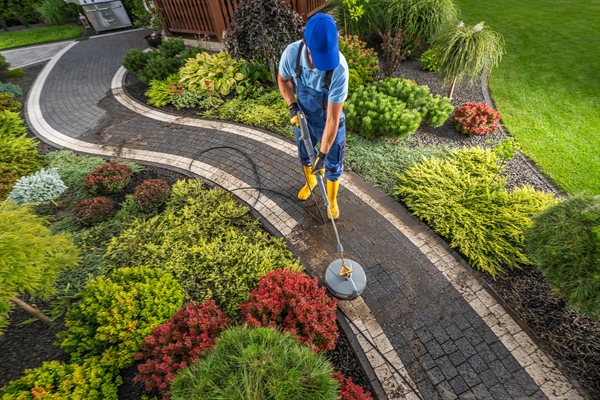
Outdoor walkways and patios are exposed to constant environmental stress, from moisture and organic growth to seasonal debris and temperature swings. Over time, these conditions can change the physical properties of concrete, stone, and pavers, reducing surface friction and increasing the risk of slips and falls. Understanding how exterior cleaning improves slip resistance on walkways and patios requires looking at how contaminants alter surface texture and how proper removal restores safer walking conditions. Subzero Exterior Services routinely addresses these issues across residential properties where safety and surface performance matter just as much as appearance.
Organic buildup, trapped moisture, and seasonal residue all contribute to traction loss in different ways. This article examines how algae, mold, and biofilm affect grip, why damp surfaces become more hazardous, and how professional methods such as pressure washing play a role in restoring surface integrity. The discussion also covers how seasonal accumulation increases fall risk and how consistent maintenance supports long-term safety. Each section focuses on evidence-based explanations rather than cosmetic outcomes.
How Algae, Mold, and Biofilm Reduce Traction on Outdoor Surfaces
Algae, mold, and biofilm form thin but persistent layers on outdoor surfaces, particularly in shaded or damp areas. These organisms produce extracellular polymers that create a slick film, reducing the coefficient of friction on concrete and pavers. Laboratory and field studies consistently show that surfaces colonized by biofilm exhibit measurably lower slip resistance than clean, dry substrates.
Concrete and stone are porous by nature, allowing moisture and nutrients to penetrate below the surface. This environment supports microbial growth that anchors itself within surface voids rather than sitting loosely on top. As colonies expand, they smooth over micro-texture that normally provides grip underfoot, even when the surface appears only lightly discolored.
Mechanical removal combined with controlled water pressure is widely recognized as an effective way to disrupt these biological layers without sealing pores or altering surface profiles. Methods such as pressure washing physically remove growth embedded in surface pores, restoring friction characteristics closer to original material specifications.
Why Moisture Retention Increases Slip Hazards on Concrete and Pavers
Moisture retention plays a direct role in slip risk by reducing friction at the shoe-to-surface interface. Water acts as a lubricating layer, lowering resistance and increasing the likelihood of loss of footing. This effect is amplified on exterior hardscapes where organic residue and fine particulates trap moisture for extended periods.
Concrete and pavers retain water differently depending on age, finish, and environmental exposure. Surface contaminants clog capillaries and slow evaporation, keeping walkways damp long after rainfall or irrigation. In freeze-thaw climates, retained moisture also contributes to surface polishing as fine particles are redistributed across walking paths.
Routine maintenance across a range of exterior services addresses moisture retention by clearing debris and organic films that prevent proper drying. Removing these barriers allows surfaces to shed water more efficiently and maintain higher traction levels under normal use.
The Role of Professional Cleaning in Restoring Surface Texture and Grip
Surface texture is a critical factor in slip resistance, particularly on finished concrete and decorative pavers. Over time, foot traffic combined with fine sediment and organic growth gradually smooths high points in the surface profile. This process reduces micro-roughness that normally contributes to friction.
Professional cleaning methods are designed to remove contaminants without mechanically grinding or chemically altering the substrate. Controlled water pressure, paired with appropriate dwell times, clears embedded debris while preserving the original surface matrix. This approach restores functional texture rather than masking the problem with coatings or temporary treatments.
Field measurements using slip-resistance testing equipment often show improved traction values after thorough cleaning. These improvements are linked directly to restored surface asperities and the removal of lubricating films, not to changes in material composition.
How Seasonal Buildup Contributes to Falls on Walkways and Patios
Seasonal changes introduce distinct forms of buildup that affect walkway safety. Spring pollen, summer algae growth, autumn leaf residue, and winter deicing materials each alter surface conditions in different ways. When layered over time, these materials compact and bond to hard surfaces.
Leaf tannins and organic acids can stain and seal surface pores, while fine soil particles act as abrasives that polish concrete under repeated foot traffic. During winter, residual salts attract moisture even in dry conditions, maintaining a damp surface state that reduces traction.
Without periodic removal, these seasonal layers accumulate and create unpredictable walking conditions. Falls often occur not because of a single contaminant, but due to the combined effect of multiple seasons of residue altering surface behavior.
Improving Safety and Liability Prevention Through Regular Exterior Cleaning
Slip-and-fall incidents are a leading cause of property-related injury claims, particularly on exterior walkways. Regular cleaning reduces known risk factors by maintaining predictable surface friction and removing conditions that contribute to sudden loss of traction.
From a liability standpoint, documented maintenance demonstrates reasonable care in addressing foreseeable hazards. Industry risk assessments frequently cite organic growth, moisture retention, and surface polishing as preventable contributors to exterior accidents.
Establishing a consistent cleaning schedule supported by professional standards helps align safety outcomes with property management responsibilities. More information on service practices and scheduling is available through Subzero Exterior Services.
Exterior Surface Safety Backed by Professional Expertise
Subzero Exterior Services provides professional exterior cleaning focused on surface safety, durability, and long-term performance. Based in Prior Lake, the company applies proven methods to address algae growth, moisture retention, seasonal residue, and traction loss across walkways and patios.
With experience servicing concrete, stone, and paver surfaces, Subzero Exterior Services helps property owners reduce slip risks while supporting preventative maintenance goals. Property assessments and scheduled cleanings are structured to address each of the factors discussed throughout this article.
To discuss exterior cleaning needs or request service details, contact Subzero Exterior Services at 612-260-5485. Additional information is available through their contact us page.